
Frequently Asked Questions: Facial Rejuvenation & Aging Gracefully
Here you can take a deeper dive into questions regarding Facial Rejuvenation. Feel free to contact Dr. Elkowitz by telephone or E-mail/Contact us if you have any question we don’t cover here. You never know, we may add your question to the page.
Can I see examples of other patients?
Dr. Elkowitz on Before and After photos
Of course, we love before and after pictures! The Plastic Surgery of New York website, www.plasticsurgeryofnewyork.com, is full of great before and after photos, comparison sliders and tools, and even real patient discussions of their experiences with Dr Elkowitz. There are many more photos and patient discussions when we meet with you at your consultation. Please take a look at our Google reviews either on our website or on Google directly. We are very proud that at the time of the writing Dr Elkowitz has 367 Five Star Google reviews!
What is facial rejuvenation?
Facial rejuvenation is a term that covers the full spectrum of interventions—medical, minimally invasive, and surgical—aimed at restoring a healthier, refreshed, and more youthful facial appearance. It addresses a variety of age-related changes: surface-level concerns like pigment irregularities and texture roughness; soft-tissue concerns such as volume loss and facial descent; dynamic problems like expression lines driven by repeated muscle activity; and structural issues including sagging of the cheeks, lax neck skin, and changes in overall support. When you meet Dr Elkowitz for the first time he will evaluate skin quality, facial bone structure, fat distribution, muscle activity, and then create a staged or combined treatment regimen. This may include skin therapy, injectables and may include surgical repositioning or tightening when deeper, long-lasting correction is needed. The philosophy at Plastic Surgery of New York is to restore natural proportions and harmony, preserving your identity rather than producing an “operated” look.
At what age should I consider facial rejuvenation?
Dr. Elkowitz on the right age for facial rejuvenation
There’s no single “right” age. Preventive and maintenance strategies often begin in the late 20s or 30s, including skin care and minimally invasive techniques. There is no age specific time because all patients are different. Some patients have aged appearing features at a very young age, likely familial and present for most of their lives. For example, lower eyelid bulging is very often seen in patients in their twenties. Obviously it is not from aging, none the less it appears that way. For surgical options like blepharoplasty (eyelids) or a brow lift, patients may present in their 40s or 50s when skin redundancy and tissue descent become more noticeable. Facelifts and neck lifts more commonly occur in the 50s–70s when jowling, midface descent, and neck laxity become pronounced—but we also see younger adults with premature aging or those who want correction after significant weight loss. The decision is based on individual anatomy, desired degree of correction, lifestyle, and readiness for recovery. A consultation with Dr. Elkowitz focuses on timing that balances current concerns with long-term maintenance.
How old is too old for facial rejuvenation?
Dr. Elkowitz on how old is too old for facial rejuvenation?
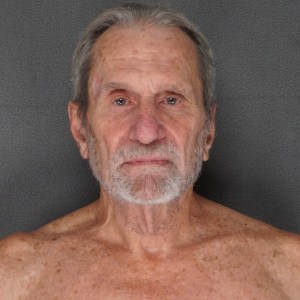
This is an elderly gentleman that had a face neck lift and his lower eyelids done. How old is too old? These days, I think that’s a crazy question. I get eighty year old patients, who come in and they work every day, they are on no medications, they can walk more flights of stairs than I can. They’re perfectly healthy people that want to keep up, want to look better, want to look younger, want to get rid of certain things that have always bothered them. These days, we have really healthy people who are in their seventies, eighties that are perfectly good candidates for surgery. Obviously, the plan has to be tailored for a specific patient. Even if they have certain medical problems, we could usually safely work with those problems. I think the stratification of older patients having cosmetic surgery is dramatically different now than it was twenty, thirty, forty years ago. So, more people are candidates these days than ever before.
Before

After

Before

After
What causes facial aging?
Facial aging is multifactorial. Genetically programmed changes in collagen, elastin, and skin metabolism leads to fine lines, thinning skin, and reduced elasticity. Repetitive facial muscle contraction produces dynamic rhytids; and repeated weight fluctuations can alter subcutaneous fat distribution and simply stretched out skin.
What are the most common signs of facial aging?
Uneven pigmentation, sunspots, rough texture, visible pores, and both fine and deep wrinkles. Loss of cheek fullness, deepening nasolabial folds, hollowing under the eyes, sagging jowls, and formation of marionette lines. Descent of the midface, weakening of the jawline, and hanging neck skin (the jaw/neck junction), with platysmal banding in the neck. Eyes commonly show excess eyelid skin and fat prolapse (under eyelid bags), which convey tiredness.
Can facial rejuvenation look natural?
Yes. Natural-looking rejuvenation is the ultimate goal of Dr. Elkowitz. Natural results stem from respecting the patient’s innate anatomy and performing targeted corrections rather than dramatic alterations. This means replacing lost volume where it belongs, and repositioning and rebalancing tissues, using minimal tension, well-hidden incisions, and choosing techniques appropriate to the patient’s skin thickness, bone structure, and soft-tissue quality. The art of subtlety—improving specific concerns while maintaining expressions and identity—produces results that age gracefully and match the patient’s face for years to come.
What are the different types of facial rejuvenation procedures available?
Treatments fall into non-surgical and surgical categories, and often a combination works best:
- Skin-focused, noninvasive: prescription-grade topicals and laser-based devices to improve texture, tone, collagen production, and pigment.
- Injectables: Botox type medicatons relax dynamic muscles to reduce lines; hyaluronic acid fillers (Juvederm and Voluma) restore volume, sculpt contours, and refine the nasolabial area.
- Autologous fat grafting: transfers your own fat to restore natural volume in cheeks, temples, or periorbital hollows with long-term retention, often combine with other procedures.
- Surgical: upper and lower blepharoplasty, brow lift, facelift variants that address SMAS and deeper tissues, neck lift with platysmaplasty, and adjunctive rhinoplasty or chin augmentation when facial balance needs harmonizing. This balance is exemplified by Dr Elkowitz’s surgeon guided- patient driven approach.
What is a facelift, and how does it work?
A modern facelift (rhytidectomy) repositions and tightens the deeper layers of the face—the SMAS (superficial musculoaponeurotic system) and sometimes the deeper ligaments—while re-draping the overlying skin. Rather than simply “pulling” the skin tighter, Dr Elkowitz’s techniques lift and secure the supporting layers to restore a youthful cheek position, smooth jowls, and define the jawline and neck. This layered approach reduces tension on the skin, minimizing scars and producing natural contours. The exact technique is individualized: some patients need a full SMAS facelift, others a limited-access mini-lift, and still others benefit from procedures concentrating more on the neck or cheeks. The objective is durable improvement with scars hidden in natural creases and hairlines.
What is the recovery like after facelift surgery?
Recovery varies with technique and individual healing. Immediately after surgery you’ll have dressings and likely light drainage; swelling and bruising peak at about 48–72 hours and then gradually subside. Pain is generally controlled with oral medications and typically not severe. Many patients are comfortable returning to light daily activities in roughly a week to 10 days; visible bruising and swelling may continue for 2 weeks. Strenuous exercise and heavy lifting are restricted and based on your recovery. Follow-up visits are frequent with Dr Elkowitz, as he maintains close contact with his patients in the post operative period. Special arrangements a frequently made for out of town patients.
How long do facelift results last?
Dr. Elkowitz on how long will a facelift last
Facelift results are best described as long-lasting rather than permanent: they effectively reset the visible age of the treated areas, often by 10–15 years, though individual longevity varies. The surgery repositions tissues and removes redundant skin so the face appears younger than it would have without surgery as time progresses. Factors that influence duration include skin quality, genetics, sun exposure, smoking history, and postoperative care. Many patients complement surgery with periodic non-surgical treatments that address evolving surface or volume changes to maximize and prolong the aesthetic improvement.
How old is too old for a facelift?
Dr. Elkowitz on how old is too old for a facelift?
There is no strict age limit for facelift surgery. Healthy, active patients, even in their 70s and 80s are often excellent candidates. Dr Elkowitz feels that “age is just a number” and shares that modern cosmetic surgery allows many older patients to safely achieve natural, rejuvenated results through personalized treatment plans. I all depends on a patient’s other medical conditions and the type of surgery planned. Sometimes even patients with significant medical problems can have simplified versions of proceedures that significantly reduce risk and recovery.
What are the non-surgical alternatives to facelift surgery?
Although there are many non-surgical options for facial rejuvenation, the definitive fix is usually surgical. All too often, Dr Elkowitz meets new patients that have been receiving non-surgical treatments elsewhere that just seem too good to be true. Patients undergo years of injections and minimally invasive treatments with minimal or even detrimental effects. Many of those patients finally undergo surgery, realizing that they should have done it years ago. The only way to really know is to meet with Dr Elkowitz and ask the questions, discuss the options and make an informed decision.
What is blepharoplasty (eyelid surgery)?
Blepharoplasty rejuvenates the upper and/or lower eyelids by removing or repositioning excess skin, excising or redistributing orbital fat pockets, and tightening underlying tissues as needed. Upper blepharoplasty improves hooding and heaviness that can make the eyes look tired or impair peripheral vision; lower blepharoplasty addresses under-eye bags, puffiness, and lower-lid skin laxity. Often upper eyelid blepharoplasty is combined with eyebrow lift, which dramatically improves the eyelids and the lateral eyelid area. Dr Elkowitz feels that this is an all to often overlooked are and treatment. Depending on your specific needs sometimes a “scarless” transconjunctival (hidden inside the eyelid) approach avoids visible scars for fat removal. Small nearly invisible incisions can be made when skin excision is needed. One is not better than the other, it is all about what is right for you. The goal is to open and refresh the eye region while maintaining natural lid position and expression.
Can facial rejuvenation help with the neck area?
Yes—and for many patients the neck defines the perceived age more than the face. Neck laxity, platysmal banding, submental fat, are common aging changes that surgical neck lifts, liposuction, and platysmaplasty techniques address. A neck lift combined with a lower facelift creates a smooth transition between the jawline and neck, producing cohesive aesthetic harmony.
Is fat grafting used in facial rejuvenation?
Yes. Fat grafting—harvesting fat from the patient, processing it, and injecting it into facial areas—restores lost volume in a natural way and can be particularly useful in the cheeks, temples, nasolabial region, and periorbital hollows. Advantages include using your own fat, the potential for long-term retention of grafted fat, and improvement of contour with minimal allergic risk. Fat also contains regenerative cells that may improve overlying skin quality. Often, fat replaces the need for repeated filler injections.
How should I prepare for facial rejuvenation surgery?
Preparation includes medical optimization and logistical planning. Dr. Elkowitz reviews your medical history, medications and that could affect anesthesia or healing. Labs and preoperative clearance may be required based on age and health. Arrange for transportation home and assistance during the first few days after surgery, prepare a comfortable recovery space at home, and follow any fasting instructions before anesthesia. We are here to help you through your surgery, don’t worry we will coach and help you every step of the way!
How long does it take to see the final results?
Visible improvement is often immediate after surgery, but swelling and tissue settling obscure the final result initially. Significant improvement usually becomes apparent in just a few weeks, with continued softening and improving contour over the next months. Incision lines mature and fade over time too. For non-surgical treatments, results may be immediate (fillers), develop over weeks, or require multiple sessions (lasers, peels). Patience and adherence to postoperative and maintenance plans yield the best long-term outcomes.
Can facial rejuvenation improve self-confidence?
Many patients experience meaningful improvements in self-image and confidence after facial rejuvenation. Feeling more refreshed and aligned with one’s self-image often translates into increased social engagement, professional confidence, and overall well-being. One of our beliefs is that your face tells your story- let it tell the one you want!
What makes Dr. Marc Elkowitz’s approach unique?
Dr. Elkowitz brings a blend of reconstructive precision and aesthetic sensibility, honed by years of experience in complex facial anatomy. His approach emphasizes individualized planning, anatomical respect, and conservative enhancements that preserve identity. He integrates non-surgical and surgical options thoughtfully—often combining modalities to achieve superior, durable outcomes. Patients value his clear communication about realistic goals, risks, and the stepwise path to improvement, as well as his commitment to detailed preoperative planning and attentive postoperative care. When it comes to facial aging, things need to be put back where they were, not overdone. On the contrary, most areas of the face age together, globally. The way to achieve the most natural results are to approach all of those areas in moderation simultaneously rather than overdoing one particular area, and expecting that area to magically improve your entire look.
How do I begin my facial rejuvenation journey?
Begin with a private consultation at Plastic Surgery of New York. During that visit, Dr. Elkowitz will review your medical history, examine your facial anatomy in detail, and discuss what you wish to change and why. Dr Elkowitz always begins an initial examination by saying “first you go and then I go”. He will listen to why you came in and what you would like to have done, but often he will see things that you never realized was the root of your concern. His job is to identify those hidden culprits an offer a plan to correct them. You’ll receive an honest assessment of which treatments can address your concerns, the expected outcomes, and the timing and sequencing of interventions. From there we’ll design a tailored plan—whether that’s a conservative series of non-surgical treatments, a surgical plan, or a coordinated combination—along with cost estimates, a recovery timeline, and clear instructions to prepare. The consultation is an opportunity to ask questions, view before-and-after examples, and determine whether the proposed plan matches your expectations and lifestyle.